Network security monitoring
UltraTech Kuwait monitors business networks in Kuwait for a fixed monthly fee: firewall, VPN and device logs are collected, alerts are checked and acted on, and you receive a plain-English security report every month. It suits businesses with no in-house security staff.
Reviewed by Eng. M. Ahmed, Team Leader, Network & Project Specialist · Updated
Talk to an engineer
Every network security monitoring job is designed to your site and quoted in writing. Saturday–Thursday, 8 am–8 pm.
Get a quote Ask on WhatsAppAt a glance
- Where
- All six governorates of Kuwait
- Support response
- Same day for critical faults (AMC clients)
- Watches
- Firewall, VPN, switches, Wi-Fi, NVR
- Response
- Alerts acted on Saturday–Thursday, 08:00–20:00; critical ones out of hours by contract
- Report
- Monthly, in plain English
More in Managed Network Security
What we size it on
Every job is designed to the site and quoted in writing after the visit.
- Number of devices and sites watched
- Working hours only, or out of hours too
- How long logs must be kept
- Report detail your management needs
What should be monitored in your business?
Start with the devices an attacker or an outage would hit first.
| Business | Watched | Typical alerts | Report |
|---|---|---|---|
| Shop or clinic | Firewall, internet line | Attacks blocked, line down, licence expiring | Monthly |
| Office | Firewall, VPN, switches, Wi-Fi | Failed logins, new devices, outages | Monthly |
| Office with cameras | Above + NVR and cameras | Camera offline, disk failing, recording gaps | Monthly |
| Head office + branches | All sites, all network devices | Branch tunnel down, unusual traffic | Monthly + quarterly review |
Signs you need monitoring
If any of these sound familiar, problems are reaching you before anyone sees them.
Today
- You hear about outages from staff, not from your IT
- Nobody has read the firewall logs
- You cannot say when firmware was last updated
Risk
- Staff or vendors work remotely
- Cameras, ERP or files are reachable from outside
- Several branches on one network
Reporting
- Management asks 'are we secure?' and nobody can answer
- An insurer or client asks for a security summary
- No record of who changed what
What happens when an alert fires?
Every alert has a defined action, so nothing is just 'noted'.
| Alert | What it can mean | What we do |
|---|---|---|
| Many failed VPN logins | Someone guessing passwords | Block the source, check the account, tell you |
| Internet line down | Provider fault | Confirm failover, raise it with the provider |
| Unknown device on staff network | Visitor plugged in, or a rogue device | Identify it, isolate if needed |
| Camera or NVR offline | Power, cable or disk fault | Remote check, then visit if needed |
| Security licence expiring | Protection about to stop | Remind you 30 days before |
| Firmware with a known flaw | Exposed device | Schedule the update out of hours |
What people ask before they hire
Is this the same as a SOC?
It is a managed, smaller-scale version: we collect logs, act on alerts and report. Large organisations needing a 24/7 security operations centre get a separate proposal.
Do you need access to our network?
Read access to the firewall and network devices, through a secure connection. Nothing is installed on staff computers.
What do we receive each month?
A short report: attacks blocked, outages, updates done, changes made, licences due, and anything you need to decide.
Can monitoring be part of an AMC?
Yes. It is often combined with a maintenance contract (AMC) for network support.
What if you find an incident?
We contain it first (block the source, isolate the device), tell you straight away, then write up what happened and what changed.
What monitoring has caught for Kuwait businesses
The kind of things that were happening quietly before anyone watched.
01Thousands of login attempts on the VPN every night
Our fix: Source blocked, two-factor login enforced, geographic limits applied.
02NVR disk failing for weeks, recordings missing
Our fix: Disk health is now alerted; the disk was replaced before footage was lost.
03Backup internet line dead since installation
Our fix: Failover tested monthly and alerted when it fails.
04Firewall licence expired without anyone knowing
Our fix: Licence dates in every monthly report.
What do you get at handover?
Monitored list
Every device watched and what is alerted.
Alert actions
What we do for each alert, in writing.
Monthly report
Plain English, with decisions flagged.
Contact path
Who we call, and when, for each severity.
Log retention
How long logs are kept and where.
One contact
A named engineer who knows your network.
How does it work?
- Step 1
Audit
Devices, logs and current risks reviewed, remotely or on site (site visit).
- Step 2
Plan and fixed quote
What is watched, alert actions and monthly price.
- Step 3
Connect and tune
Logs collected, alerts tuned so they mean something.
- Step 4
Watch and report
Alerts acted on; report every month.
Who does the work
The delivery team behind every project, from our team page.
How does monitoring work?
Your devices send logs and status; alerts reach an engineer, and you get the summary.
- 01Firewall, VPN, switches, NVR
- 02Secure log collection
- 03Alert rules
- 04Engineer on duty
- 05Action and record
- 06Monthly report to you
Standards and specifications
Sources
Firewall, VPN, switches, access points, NVR and servers.
Checks
Uptime, failed logins, new devices, traffic spikes, disk health.
Alerts
Severity levels, each with a set action and contact.
Hours
Saturday–Thursday, 08:00–20:00 as standard; out of hours by contract.
Retention
Logs kept for the period agreed in the contract.
Reports
Monthly summary; quarterly review for multi-site clients.
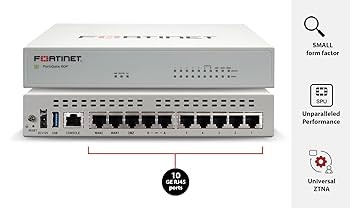
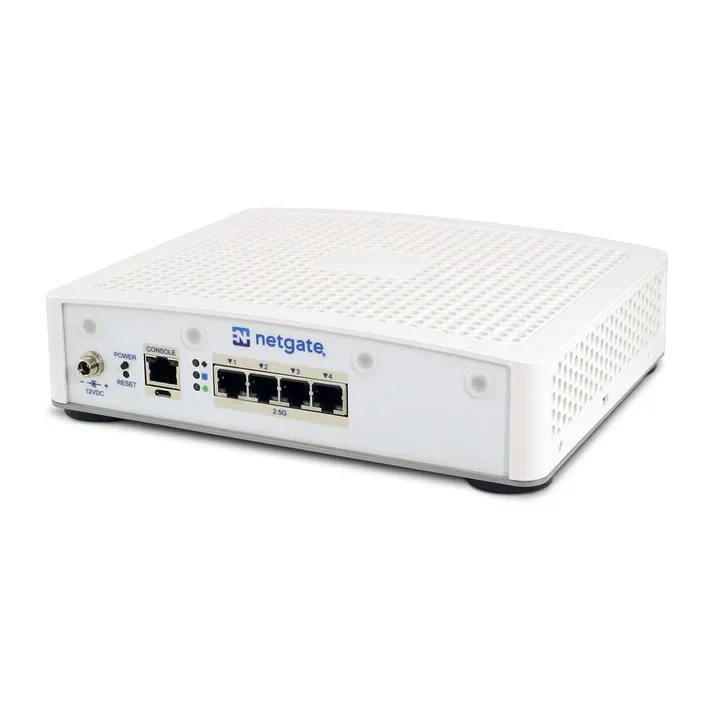
Which equipment do we install?
Monitoring terms, explained
- SIEM
- A system that collects logs from many devices and raises alerts on suspicious patterns.
- SOC
- Security operations centre: a team watching alerts, usually around the clock.
- Syslog
- The standard way network devices send their logs to a collector.
- False positive
- An alert that looks like a problem but is not; tuning cuts these down.
- Log retention
- How long logs are kept, so an incident can be traced afterwards.
Keep exploring
Tell us about your site
Every job is designed to the site and quoted in writing. We reply within working hours.